

Dear Editor, With the news of the reduction in hours of the recycling centres at Midsomer Norton and Bath this has led me to question what do we pay council tax for?
For the vast majority of B&NES residents rubbish collection and disposal is the main form of interaction they may have with their local authority along with highways and street lighting. They can see something tangible they pay for
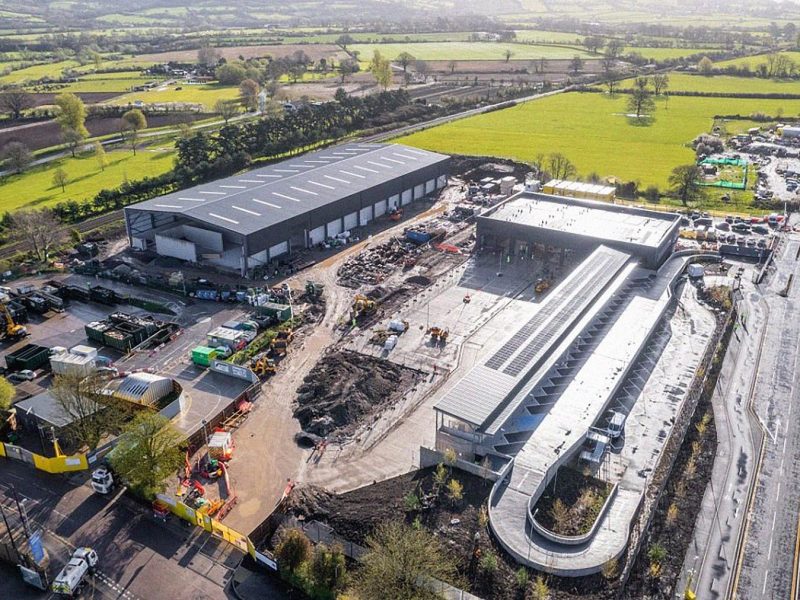
Of course, this has implications for Saltford, as any reduction in hours will be taken up at the regional tip at Pixash Lane, which according to a B&NES Officer has ‘plenty of spare capacity’. So, more cars from all over B&NES along with all the recycling trucks and bin wagons trundling along the over capacity A4.
Waste always seems to be the first port of call when it comes to budget cuts, be it reducing collections down to fortnightly, wage freezes for staff and limiting the amount of waste an individual can drop off.
We then see B&NES has committed to purchasing several electric recycling trucks at a phenomenal cost. These trucks have been trialled by other councils in the country and been found not fit for purpose. They are badly affected by cold weather, reducing the range on a charge by up to 40%. There is no guarantee of longevity, with a reputation for breakdowns and long waits for spare parts. They will be worthless in a few years and as for the outright nonsense of ‘they will be charged by the solar panels on the roof’ at Pixash Lane well this has to be challenged. The excess electricity generated by solar gets fed back into the grid and a reduced bill is calculated. The enormous batteries on the trucks are rated around 250-300Kw/h and peak capacity of the solar array is around 750Kw/h. So, two and a half trucks at the height of summer compared to long, dark winter days when as little as 8% efficiency is achieved.
Let’s not forget the £50 million price tag of the Pixash Lane tip and the glaring omission of a rail siding at the site, whilst the original equipment at Westmoreland Rd for rail transfer of rubbish to Avonmouth is rusting away. The rail siding would reduce the amount of trucks leaving the site considerably and benefit residents who have had this facility imposed on them.
We, as council taxpayers have been badly let down by this expensive and poorly thought-out waste strategy.
Cllr Chris Warren
Independent Councillor, Saltford
Reply to Cllr Chris Warren
Dear Editor, Following the public consultation on the council’s draft budget, the possible saving from reduced recycling centre opening hours was removed. This was shown earlier this week in the full budget papers for the Corporate PDS panel.
The sites at Bath and Midsomer Norton will continue to operate at their current hours. Public feedback was heard and it directly changed the final decision.
Like councils across the country, B&NES faces significant financial pressures while demand for statutory services continues to rise. Waste and recycling are highly visible services, and they are considered alongside social care, housing support and other essential responsibilities when budgets are set. The rise in cost pressure on Children’s Service in particular has been extraordinary over the last few years. On top of this, government’s recent “Fair Funding” review of council finances will remove a further £12.5m of funding from the council over the next three years. However, we will always protect the most vulnerable residents in our community.
Electric recycling vehicles are part of a planned fleet replacement programme, not an experimental exercise. They have been procured based on operational trials, warranties and whole‑life costs, and will reduce air pollution, noise and fuel costs over time – saving money alongside reducing emissions. No claim has been made that solar panels alone power the fleet; they simply contribute to reducing overall energy demand on site.
Pixash Lane is an exemplar, modern, recycling facility built to the highest environmental standards. While rail transfer played a role in historic waste operations, changes in waste streams and infrastructure mean it is not the most practical or cost‑effective solution today.
Residents are right to scrutinise how council tax is spent, and robust public debate is welcome. That debate is strongest when it reflects current decisions and accurate information. B&NES residents benefit from the third lowest council tax of all the unitary authorities in the South West. Alongside this, B&NES’s “core spending power” per resident is the among the very lowest of all unitary authorities in the country.
We are, therefore, providing residents of B&NES with excellent value for money.
I would like to thank residents who took the time to engage with the budget consultation — their input made a real difference and helped shape the final outcome.
Cllr Mark Elliott
Lib Dem Cabinet member for Resources

Bath Voice and Local Democracy Reporters
The journalists are funded by the BBC as part of its latest Charter commitment, but are employed by regional news organisations. A total of 165 reporters are allocated to news organisations in England, Scotland, Wales and Northern Ireland including Bath Voice. These organisations range from television and radio stations to online media companies and established regional newspaper groups. Local Democracy Reporters cover top-tier local authorities, second-tier local authorities and other public service organisations.
Bath Voice Monthly Newspaper is distributed free to thousands of homes and some supermarkets – distributed from the first of the month. Harry Mottram is the News Editor
Email him at news@bathvoice.co.uk Bath website: https://bathvoice.co.uk/news/
Bath Facebook: https://tinyurl.com/bdtf2kep Also on Twitter: https://twitter.com/bath_voice And Bluesky @bathvoicenews.bsky.social And also on Instagram https://www.instagram.com/harrymottram6/
Read the newspaper online at :https://issuu.com/bathvoice
To advertise to thousands of Bathonians call Shaun on 07540 383870 or email him on sales@bathvoice.co.uk