

I wrote this up for a company in Somerset and thought it may be of interest to those involved in the business of sport. Ongoing at the moment is the plans to enlarge the rugby ground at The Rec involving millions of pounds. Bath City FC have had their issues with debt – and if you examine the finances of professional football and rugby clubs many would technically be considered insolvent. Hence this article which centres on the situation in Sheffield.
Aug 4, 2026
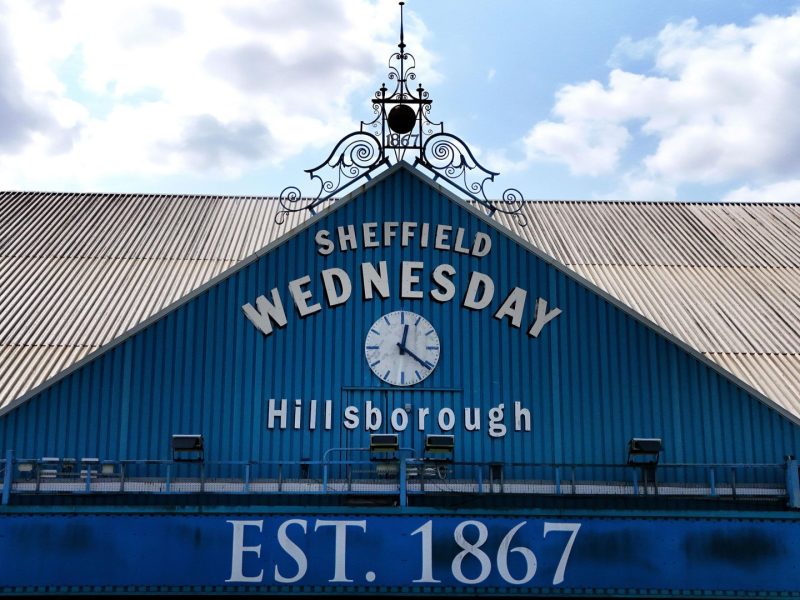
By Harry Mottram: The owners of high street shops, manufacturing outfits, logistic companies and Britain’s many thousands of SMEs must scratch their heads when they look at what has happened to Sheffield Wednesday FC this year. Insolvent, in administration and up for sale with £80m of debt, surely the club would have to be liquidated? Not so. Football clubs in financial difficulties are treated differently by the authorities compared to any commercial company that goes bust. After an elongated period of administration the Sheffield club have been sold in what amounts to an unofficial pre-pack to Arise Capital Partners bought club and stadium after the previous owner Dejphon Chansiri tenure came to an end with the taxman filed a winding up order in October last year. Administrators from financial advisory firm Begbies Traynor were appointed to run the club with a mission to find a buyer – something that took several months with the Arise outfit finally sealing the deal in May of this year. However, it came at a considerable price for just about everyone involved.
Former owner Dejphon Chansiri claimed he was owed £60m although fans blamed his management style for the pickle the club found itself in, while there was another £20m in liabilities. Creditors including football governing bodies, other clubs, affiliated associations and leagues, the Professional Footballers’ Association, the Football Foundation, and current former employees were left in hock to £2.63m and HMRC were chasing owed £343,727. Other loans were an eye-watering £11.3m. Sales, grants and tV money helped to shave nearly £8m off the liabilities identified by administrators but still a massive black hole for any buyer accept.
At that point most firms were toast but thanks to the administrators and their negotiation skills with the football authorities the club completed their fixtures in The Championship and even had their 15 points deduction wiped out. The new owners had to fund 25p in the pound to secured creditors with thousands – indeed millions – written off with the club relegated to League One – the third layer in the football pyramid.

Caledonian Thistle are one of many clubs to have crashed
Ian Carrotte of ICSM said football clubs are treated differently by the authorities due to their importance to their communities. He said if they have a champion in local politicians, MPs, media stars and celebrities plus petitions and fund raising by fans then the taxman, the Government, the local council and even traders who are owed money will give them enough space and time to essentially phoenix. In those cases like Sheffield Wednesday it is a sort of unofficial Chapter 11. He said: “It seems bizarre as the average insolvent SME would have been wound up long before the end of last season. It is a double standard – although a typical high street store or manafacturer that goes bust doesn’t have thousands of fans begging for it to be saved.”
The ICSM CEO gave this advice to potential suppliers to clubs: “If you decide to trade with a club then don’t go in too deep, stick to your payment terms of 30 days maximum and be prepared to suffer if they go bust. It’s best to be a supporter of the team as at least that way you could argue you have invested in the club and could solve your conscience that way if the worst happens. My advice is treat clubs like you would any other business – and don’t let them fob you off with late payments.”

The Bristol City players who tore up their contracts to save the club in 1982
These are some of the clubs in England and Wales that have gone bust in the past and who have then returned after being reconstructed:
Bradford City in 1983, Charlton Athletic in 1984, Middlesborough in 1986, Tranmere Rovers in 1987 and Newport County in 1989. In the 1990s Walsall, Northampton Town, Kettering, Aldershot, Maidstone, Hartlepool, Barnet, Exeter, Gillingham Doncaster, Millwall, Bournemouth, Crystal Palace, Chester and Portsmouth all entered administration or applied for a CVA to survive – in this century Hull, QPR, Bury, Halifax, Bradford, Notts County, Barnsley, Leicester, Port Vale, York, Derby County, Ipswich, Wimbledon, Oldham, Darlington, Bradford City (again), Wrexham, Cambridge, Rotherham, Crawley, Boston, Leeds, Luton, Bournemouth, Rotherham, Halifax, Darlington, Southampton, Stockport, Chester, Northwich Victoria, Farsley Celtic, Salisbury, Weymouth, Crystal Palace (again), Portsmouth, Plymouth, Rushden and Diamonds, Darlington(again), Portsmouth (again), Port Vale (again), Aldershot (again), Bolton, Bury, Rhyl, Wigan, Bury (again) and Derby County (again).
In Scotland the same situation saw these clubs also hit the rocks in this century: Queen’s Park, Greenock, Clydebank, Airdrieonians, Motherwell, Dundee, Livingston, Gretna, Livingston (again), Dundee (again), Rangers, Dunfermline and Hearts.
Glasgow Rangers hit the rocks in 2012 when the club went into administration when debts hit £168.9 million pounds. More than half of the debt was to the taxman – but the list of unsecured creditors included the corner shop by the Ibrox ground (£567.45), a face painter called Susan Thomson (£40), the police £51,882 and the ambulance service £8,438. And they also owed other football clubs a total of £3.3 million pounds – a shocking list of creditors.
Ian Carrotte said: “Football clubs are often treated as an ego trip by the owners – they frequently have no training on how to run a large business and ignore advice. Technically most clubs – even well-run ones – are insolvent when you look at their liabilities. Essentially, they rely on their lenders and banks to continue their credit lines. Once those are withdrawn – usually because they lose confidence in the owners – the club collapses and administrators are called in.”

Struggling with Late Payers or Bad Debt?
ICSM offers expert credit management and debt recovery solutions that help businesses like yours get paid fast.
• Free online suite of legal letters and final demands
• Specialist team ready to recover unpaid invoices
• Polite, professional mediation to preserve customer relationships
• Hardline legal options when needed
• Late payment interest, compensation, and fees recovered under the Late Payment of Commercial Debts Regulations 2002
Why Act Early?
Passing overdue accounts to ICSM early increases your chances of full recovery. Our multi-channel approach—calls, emails, and letters—ensures the right message reaches the right people at the right time.
We understand that non-payment often stems from miscommunication. That’s why we focus on resolving issues while protecting your reputation.
• Email the CEO: Ian.carrotte@icsmcredit.com and request to recieve the ICSM newsletter which lists firms that are in trouble
• Call: 01454 322234
• www.icsmcredit.com
• Express Park, Bridgwater, Somerset, UK
Follow us on Facebook at (20+) Facebook and LinkedIn